Why the Youth Entrepreneurship Program (YEP)?

The Reality Youth Face

For years, youth unemployment has been linked to corruption, reinforcing the belief that after graduation, one has to “tarmac” a lot, or otherwise look for a job for long periods, and that if their stars align, they will get it without “having connections”. This is incomplete and misleading.

Many educated youth remain unemployed, turning to informal hustles that are now replacing structured opportunities. Thousands of young people graduate every year with skills, ideas, and ambition. Yet many still struggle to turn those abilities into sustainable livelihoods. A sad story of talents that never became income and skills that remain unused. There is a gap between talent and opportunity, and that is exactly what led to the creation of the Youth Entrepreneurship Program (YEP).

The Core Problem: Talent Without Opportunity

Limited Job Opportunities

A later policy brief by the National Council of Population and Development in 2017 indicated that over 80% of Kenya’s population is aged 35 years and below, with youth aged 15-34 making up about 35% of the total population. Each year, thousands of these young people graduate from schools, universities, and vocational institutions with the hope of joining the workforce, yet the labour market is not expanding quickly enough to absorb them.

There are not enough formal jobs. Despite the increasing number of youths, employment opportunities remain limited. Many young people either remain unemployed or are forced into low-income and low-productivity jobs, often within the informal sector. They lack sufficient opportunities to apply their skills in meaningful ways.

Skills That Remain Informal

We often talk about youths from the marginalized communities. The moment you hear that, what comes to mind is poverty, low literacy levels, and any other negative thing you could think about in relation to that. But when you actually visit there, you’ll see detailed graffiti (unauthorised writings), drawings, or paintings (creative arts), young people playing football at near-professional level (sports), a small cyber cafe buzzing with activities (digital services and technology), and trade going on.

However, these skills rarely translate into sustainable income because they often lack the structure, mentorship, and resources required to turn them into viable enterprises. As a result, many youth operate in small, informal activities that generate limited income and offer limited opportunity for growth. Without access to the right systems, promising talents often remain side hustles instead of scalable businesses.

Fragmented Support

Yes, many programs focus on skills training, mentorship, funding, or innovation. The only downside is that these initiatives often operate in isolation. Young people may gain training but lack access to markets. Others may have ideas but struggle to find mentorship or networks to help them grow.

This fragmented ecosystem/support system makes it difficult for young people to move from ideas to sustainable enterprises. Without coordinated support that connects skills, mentorship, and market opportunities, many promising ideas never develop into viable ventures.

Why Entrepreneurship?

Have you ever thought of being your own boss? That is what entrepreneurship enables you to become. You spot a challenge and think of ideas for solving that challenge. That is how a startup usually starts and later becomes a whole company or scalable venture. This enables you to build your own economic pathway, as you empower and employ people along the way. Entrepreneurship is one way we can create sustainable livelihoods. One empowered youth translates to an empowered generation.

In a time where technology is rapidly expanding, young people are becoming more digitally connected, getting updates on current issues by the click of a button. It is now easier to see where a problem or crisis is due to the load of research being put across the digital platforms. This enables the youth to adapt to the current issues and learn better on how to solve the problems.

Why JAY4T chose this path

Having posted surveys (youth survey), attending feedback conferences and having direct talks with youths in our Xchange Bazaars, we decided to take an actionable step. We discovered that the problem amongst unemployed youth isn’t a lack of opportunity; rather, it’s a lack of exposure to opportunities. Most of the feedback we got from the youth is that they are truly ambitious, although the gap comes in when they do not know how to take the next step.

Skills mismatch is a persistent problem, and so through the creation of the Youth Entrepreneurship program, JAY4T aims to equip young people with market-relevant skills, mentor them and nurture their talents, and engage in aspects such as peer learning, where they will learn to collaborate.

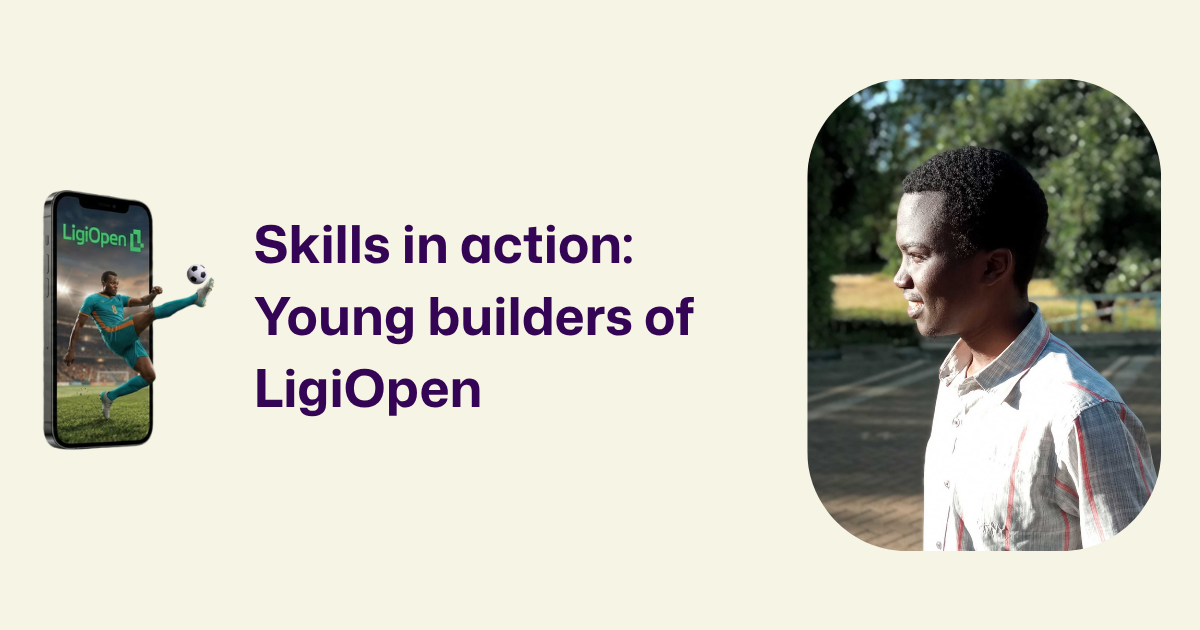
JAY4T chose the entrepreneurship path, as this will enable the young people to gain knowledge and practical skills on how to start, run, and manage their own economic social enterprises as they work on existing social enterprises of JAY4T, that is, LigiOpen, Kaakazini, and Sote Tule.

What makes YEP different?

We realized that supporting youth required more than training. It required networks, collaboration, market access, and enterprise support. That realization shaped YEP.

This is why YEP is different:

1. Co-creation

Youth are not passive beneficiaries – they are co-creators. YEP allows the youth a chance to build social enterprises together, JAY4T seeing them through the ideation stage to completion.

2. Asset-based community development (ABCD)

The program will mainly focus on the already existing skills, knowledge, and talents of the young people, an asset-based community development approach. YEP will focus on building enterprises that solve community challenges.

3. Collaboration instead of competition

The program allows young people to exchange skills and knowledge and build ventures together.

4. Practical learning

It’s not always “class” or workshops. The program will mainly focus on active and practical learning. That is one of the main reasons why the mode of learning is in-person.

What the program aims to achieve

1. Support ecosystems

Young people will gain the tools, networks, and support needed to build sustainable enterprises.

2. Economic empowerment

The program aims to economically empower youth through enterprise creation and employment opportunities within JAY4T’s three social enterprises.

3. Economic empowerment

The program aims to economically empower youth through enterprise creation and employment opportunities within JAY4T’s three social enterprises.

4. Financial literacy

Through YEP, youth will gain financial literacy skills, enabling them to manage their finances more effectively.

5. Innovation ecosystems

YEP aims to build stronger youth innovation ecosystems.

The long-term vision is a generation of youth who are not waiting for opportunities but actively creating them.

Every year, thousands of young people are told to ‘be patient’ and ‘keep applying.’ Patience does not create jobs. That is why we are taking this step.

Let us join hands to build a more equitable future for the youth, as one empowered youth translates to an empowered generation.


Unlocking the “Missing Middle”: A New Agenda to De-risk Youth Entrepreneurship and Drive Economic Growth

Youth Business International (YBI), the global leader in youth entrepreneurship, is calling for urgent action to support high-growth potential youth-led businesses trapped in the “missing middle.” YBI’s new policy paper sets out strategies to de-risk youth entrepreneurship and unlock sustainable economic growth, job creation, and innovation — particularly among underrepresented youth, women, and businesses outside traditional tech hubs.

Youth Entrepreneurship: A Missed Opportunity for Sustainable Economic Growth

Across the world, young entrepreneurs are building businesses with the potential to transform economies — creating jobs, driving innovation, and strengthening resilience. Yet far too many are stuck in the “missing middle”: too big for microfinance, too small or risky for mainstream investors. The result? Their potential remains untapped.

At Youth Business International (YBI), we believe this is not just a missed opportunity —it’s an economic liability. Our new policy paperDe-risking Youth Entrepreneurship and Unlocking the Missing Middle, developed in collaboration with our member Habitat in Türkiye, offers a clear call to action: we must reimagine how we support youth-led businesses with high growth potential.

Why the “Missing Middle” Matters

Globally, the SME financing gap is vast. In sub-Saharan Africa alone, that gap is estimated at $331 billion. In the UK, it’s £22 billion, according to a Bank of England report. Youth-led businesses — particularly those founded by women, rural youth, or from underrepresented groups — are disproportionately affected.

Outdated perceptions of what constitutes a “high-growth” business often lead investors to overlook dynamic entrepreneurs outside of major urban centres or the tech sector. But high growth happens in creative industries, green businesses, services, and manufacturing, often in less visible places. It’s time to shift the narrative.

A Blueprint for Action

YBI’s new policy paper sets out practical, evidence-based strategies for policymakers, financial institutions, and enterprise support organisations (ESOs) to enable youth-led businesses to grow and thrive. These include:

1. Co-designed Financial Products

Young entrepreneurs need finance that fits their realities. That means developing tailored products — such as uncollateralised loans, milestone-based financing, or community-based guarantees — that remove traditional barriers like collateral requirements.

2. Regulatory Reform

Governments must simplify processes, eliminate age-based restrictions, and adopt youth-friendly procurement policies. Enabling young entrepreneurs to access public contracts and register businesses easily is vital.

3. Financial Literacy and Investment Readiness

Training and mentorship can bridge confidence and skills gaps, helping young founders engage meaningfully with financial systems and investors.

4. High-Growth Bootcamps and Peer Learning

Spaces for strategic learning and regional collaboration — both in-person and virtual —help build networks and scale ambition.

5. Structured Mentoring

YBI has seen first-hand how well-structured mentoring boosts emotional resilience, improves decision-making, and supports strategic risk-taking.

6. Recognition of Diverse Growth Pathways

We must broaden our understanding of growth. Youth-led businesses in non-tech sectors often contribute significantly to community resilience and employment. Supporting them is critical to achieving the Sustainable Development Goals (SDGs).

The Time to Act is Now

The world is facing converging crises — from climate change to conflict — that are deepening youth unemployment and economic inequality. Supporting youth entrepreneurship is no longer a niche issue. It’s an economic necessity.

“We must redefine what success looks like and whom we invest in,” says Anita Tiessen, CEO of YBI. “The bias towards supporting tech start-ups in major cities misses the broader potential for sustainable development. High growth happens in rural areas, in traditional sectors, and among women and underrepresented youth. This is where transformative impact lies.”

Unlocking the missing middle will require purposeful collaboration across sectors. Financial institutions, governments, and enterprise support organisations must come together to co-create new systems that work for young entrepreneurs, not against them.

Call to Action

If you’re a policymaker, investor, or ESO, ask yourself:

  • Are we investing in youth-led businesses outside the mainstream?
  • Are our financial tools helping them scale — or holding them back?
  • Are we building ecosystems where diverse young entrepreneurs can thrive?

The solutions exist. Now we need the collective will to act.

Download YBI’s full policy paper

Learn more about YBI’s global work

More Resources on Youth Entrepreneurship


Shaping employment futures with young people, not for them

At JAY4T, we’re not waiting for change, we’re building it. And we believe that young people don’t need saving; they need space, trust, and a chance to lead. That’s why we put youth at the center of everything we do, especially when it comes to co-creating sustainable employment solutions.

Recently, we shared some of our experiences in the Business Fights Poverty forum, exploring how to better connect decision-makers with those closest to the issues. As always, our perspective was grounded in action, ownership, and accountability.

Young People as Co-Owners of Change

At JAY4T, young people are not just participants—they’re co-owners of interventions designed to create real and lasting economic opportunities. This means they’re involved in shaping programs, setting priorities, and defining success on their own terms.

We also challenge traditional power dynamics by positioning decision-makers, development partners, and support organizations as equal partners, not top-down authorities. This shift allows for more authentic collaboration and better results.

Listening, Acting, and Closing the Loop

Accountability starts with listening—but it doesn’t end there.

We create spaces for focused and deliberate conversations, like workshops, where young people can openly share their insights, concerns, and visions. These inputs shape our work in real time.

We also make sure to close the feedback loop: when young people give feedback, we communicate what actions we’ve taken as a result. That way, listening becomes more than a box to tick, it becomes a habit of trust-building and shared responsibility.

What We Learned at the First Xchange Bazaar

This week, we hosted the first-ever in-person Xchange Bazaar, our youth-led space for learning, connecting, and unlocking employment opportunities together. One powerful moment came from a participant named Yahal, who spoke to the heart of our mission:

“Young people need to stop waiting. We have to move differently, not waiting for development partners to act, but coming together, pooling what we have, and supporting one another. We’ve got assets – skills, networks, physical spaces, capabilities. If we can do this sustainably, we’ll redefine what support from development partners even means.”

This is exactly the shift we’re working toward: an asset-based approach where youth recognize and mobilize what they already have, then use it to lift one another. Development partners can still play a role, but as allies in a movement led by youth, not saviors to be waited on.

Doing Employment Development Differently

The conversation on Business Fights Poverty reminded us that we’re not alone in this. Around the world, others are also reimagining how decisions are made, who gets to lead, and what real partnership looks like.

At JAY4T, we’re clear on our part in that movement: build with young people, not for them. Focus on assets, not just needs. And co-create employment solutions that are rooted in trust, shared power, and long-term sustainability.

If you’re working toward the same goals, let’s connect. We believe in growing the table, so there’s room for every youth voice and every idea.

Empowering Youth in Sales for a Green Future: JAY4T Partners with Peak Data Management Consultants

At Jabulani Youths for Transformation (JAY4T), we believe in creating opportunities that equip young people with the skills and resources they need to thrive. We are thrilled to announce our latest partnership with Peak Data Management Consultants, a collaboration that will open doors for youth through the Women in Sales for a Green Future program. While the program prioritises women, it remains accessible to all youth, ensuring a broader impact on employment and skills development.

This strategic partnership, formalised through a Memorandum of Understanding (MoU) signed on February 5, 2025, aligns with two of JAY4T’s key strategic objectives:

  1. Enabling 100 unemployed youth in Kisumu to be actively engaged in employment social enterprises.
  2. Providing comprehensive skills training and capacity building for 100 youth.

About the Program

The Women in Sales for a Green Future program is a collaboration between Yusudi and GIZ, designed to equip 2,500 youth (70% women and 5% Persons with Disabilities) with essential sales skills tailored for green and circular economy businesses in Kenya.

Why This Program Matters

Green businesses are rapidly growing but often struggle to find skilled sales professionals who can drive the adoption of eco-friendly products. This program addresses that gap by providing youth with tailored sales training and connecting them with job opportunities in the green sector.

JAY4T’s Role and Contribution

Through this MoU, JAY4T is committed to supporting accessibility and participation by financially assisting 25 selected youth to enroll in the program. 

How the Program Works

Participants will undergo an 8-week hybrid training model, including:

  • Sales Foundations: Essential sales techniques, CRM systems, warm calls, and deal-closing strategies.
  • Professional Development: CV writing, interview preparation, personal branding, and communication.
  • Green Economy Sales Strategies: How to sell eco-friendly products, engage with sustainable businesses, and promote green solutions.
  • Mentorship and Real-World Application: Industry experts provide mentorship throughout the program, guiding participants in applying their skills in real sales scenarios.
  • Job Placement & Growth: Participants will receive job placement assistance and professional mentorship during their transition into the green economy workforce.

Impact Goals

  • Train 2,500 youth with modern sales skills for the green economy.
  • Support 60 Green SMEs by improving their sales structures and market reach.
  • Facilitate employment for 1,500 youth in green businesses, driving career success and business growth.

Our Commitment to Long-Term Change

Beyond financial support, this partnership extends to ongoing monitoring, reporting, and mentorship. Peak Data Management Consultants will provide periodic updates on participants’ progress, covering areas such as attendance, performance, and job placements. Meanwhile, JAY4T will continue to track the impact of the initiative, ensuring that our support translates into real opportunities for youth in sales and sustainability.

Looking Ahead

This MoU marks the beginning of what we envision as a long-term partnership dedicated to expanding opportunities for youth in Kenya. As we move forward, we are eager to explore additional ways to amplify the program’s impact, including entrepreneurship support, job placement initiatives, and expanded sponsorships.

We extend our gratitude to Peak Data Management Consultants for joining us on this journey. Together, we are paving the way for a more inclusive, empowered, and sustainable future.

For more updates on this partnership and other JAY4T initiatives, stay connected with us!

Do you have questions? Contact us

JAY4T Office
Lutheran Technical Training Institute, Mamboleo

P. O. Box 3192 – 40100
Kisumu, Kenya

+254717068981

info@jay4t.org

Newsletter

Get latest news & updates

© 2026 – Jabulani Youths for Transformation. All rights reserved.